I don’t think I had ever heard of Covington and Newport until the fall of 2019. That’s when I began digging into the story behind one of Pittsburgh’s most memorable episodes in organized crime history. On August 5, 1930, it seemed like everyone placing a numbers bet in the Steel City picked 805 as their number.
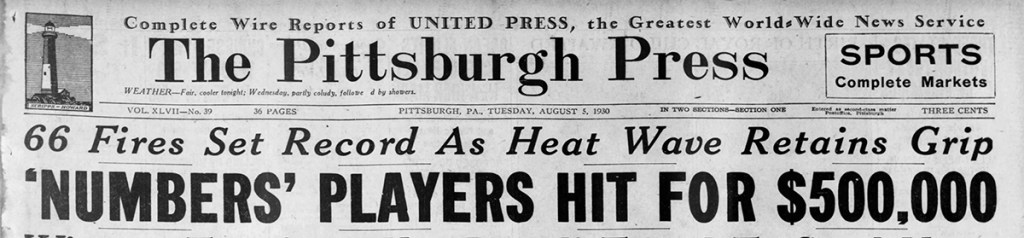
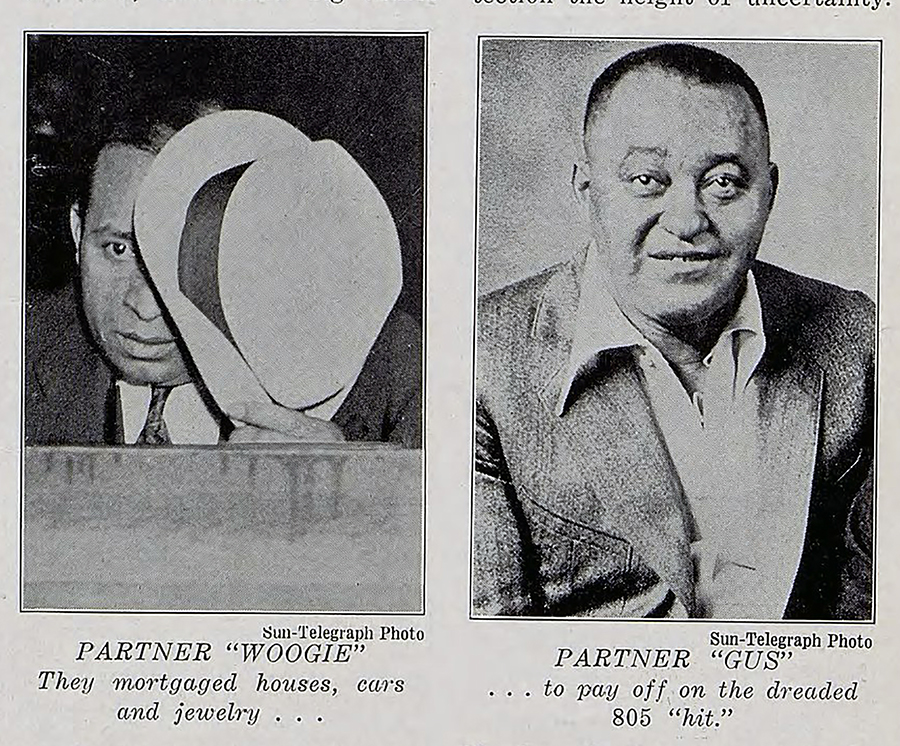
The resulting rush by numbers bankers to pay winners or get out of town because they couldn’t pay became entrenched in Pittsburgh’s true crime lore. It made legends of some numbers bankers who paid, like Gus Greenlee and Woogie Harris, and scoundrels out of others who didn’t, like Jake Lerner.
Lerner’s name was a latecomer to the 805 story. In 1981, University of Pittsburgh history graduate student Rob Ruck interviewed an aging racketeer about the 805 episode.
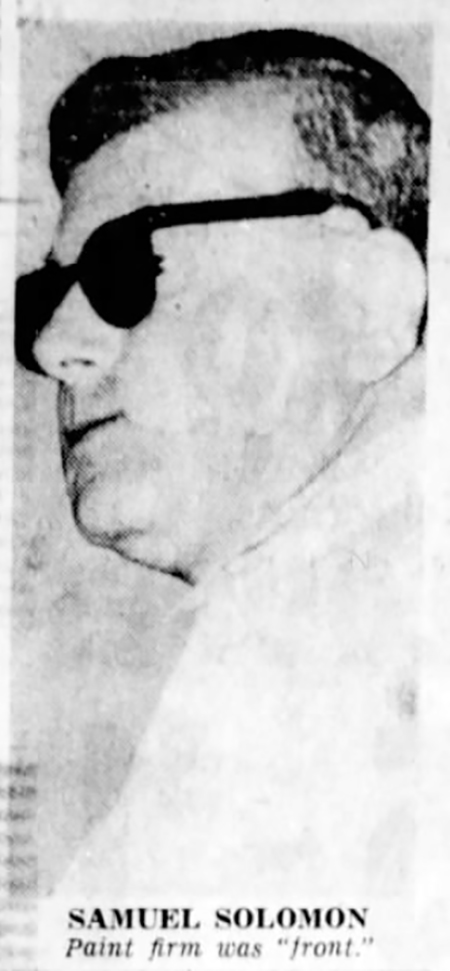
“Did you ever hear of a number 805,” Ruck asked Sam Solomon.
Instead of directly answering Ruck’s question, Solomon replied with a rhyme: “805 was a burner. Where the hell is Jakie Lerner?”
Solomon’s quotation appeared in Ruck’s 1983 PhD dissertation and 1993 book, Sandlot Seasons: Sport in Black Pittsburgh. Since then, it’s been widely quoted.
Ruck moved on in the interview with Solomon and didn’t ask two key follow-up questions: Who was Jakie Lerner and why as Lerner important in the 805 story?
I went looking for Lerner’s story and found part of it in journalist Hank Messick’s 1967 book about Cleveland organized crime history, The Silent Syndicate. In the book, Messick told the story of Cleveland racketeers who transformed Northern Kentucky into a gambling mecca.
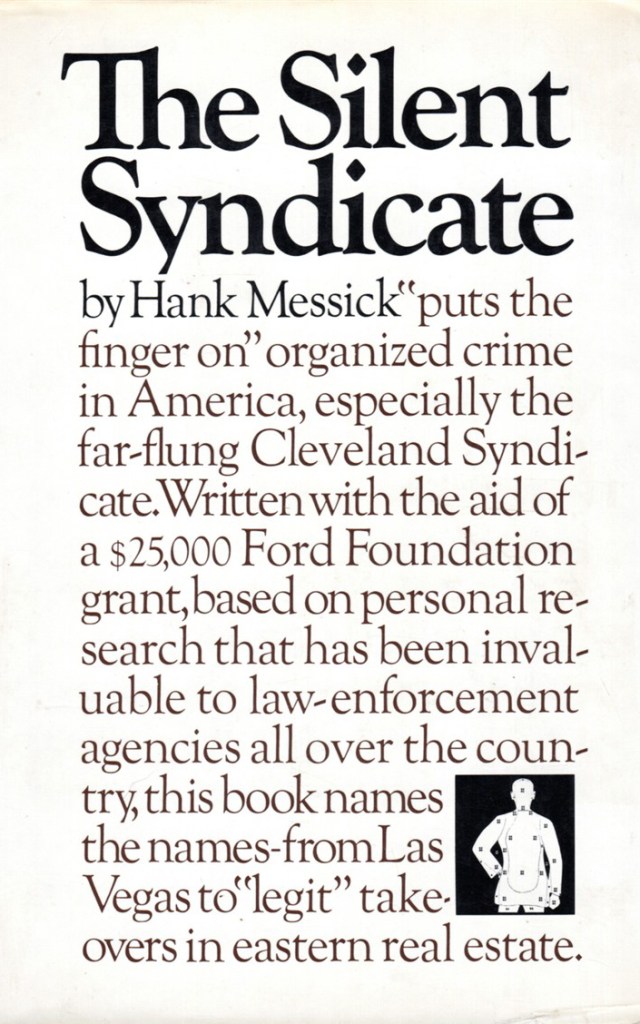
Messick made a career out of the Cleveland syndicate and their activities, from Northern Kentucky to Southern Florida and Las Vegas.
By 1950, Covington and Newport had joined Hot Springs, Arkansas, and a handful of other American small cities where gambling, bootlegging, and prostitution comprised the biggest slice of the local economic pie.
Messick’s Silent Syndicate came up among the top results in my first internet searches using Jake Lerner’s name.
Messick had tied Lerner, who started his crime career in Pittsburgh in the 1920s, to Tucson-based gambling via wire services. Sam “Gameboy” Miller was Lerner’s connection to Northern Kentucky. In the 1930s, Miller had been dispatched by the Cleveland syndicate to run the Lookout House casino which was located just outside of Covington.
Lerner had settled down in Tucson in 1943 to run a numbers gambling and money laundering operation for Pittsburgh racketeers. The FBI wrote in 1945 that Pittsburgh racketeers had stopped going to Hot Springs and instead were visiting Lerner’s Tucson ranch.
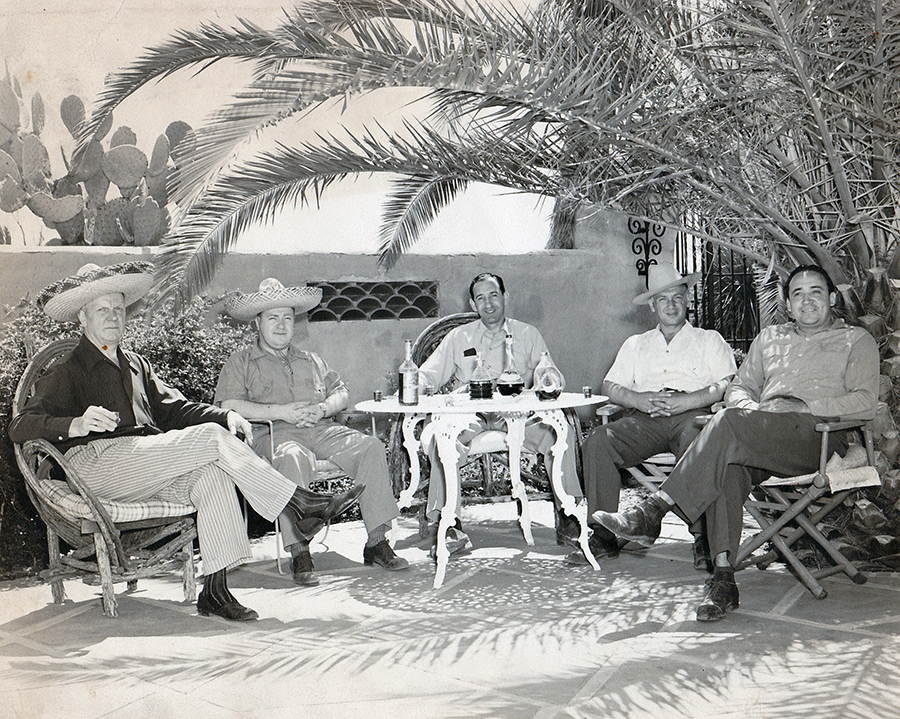
“Gameboy made his headquarters at the Santa Rita Hotel in Tucson. Assisting him was Jacob Lerner of Pittsburgh,” Messick wrote in Silent Syndicate. “Lerner had been associated with the syndicate in a dog track at Steubenville, Ohio, and he fronted for Miller in Tucson.”
I bought a copy of Silent Syndicate and most of Messick’s other books about organized crime. My first article about Lerner and gambling appeared in a Pittsburgh magazine in 2020. By June of 2021, I was leading organized crime history walking tours in Pittsburgh.
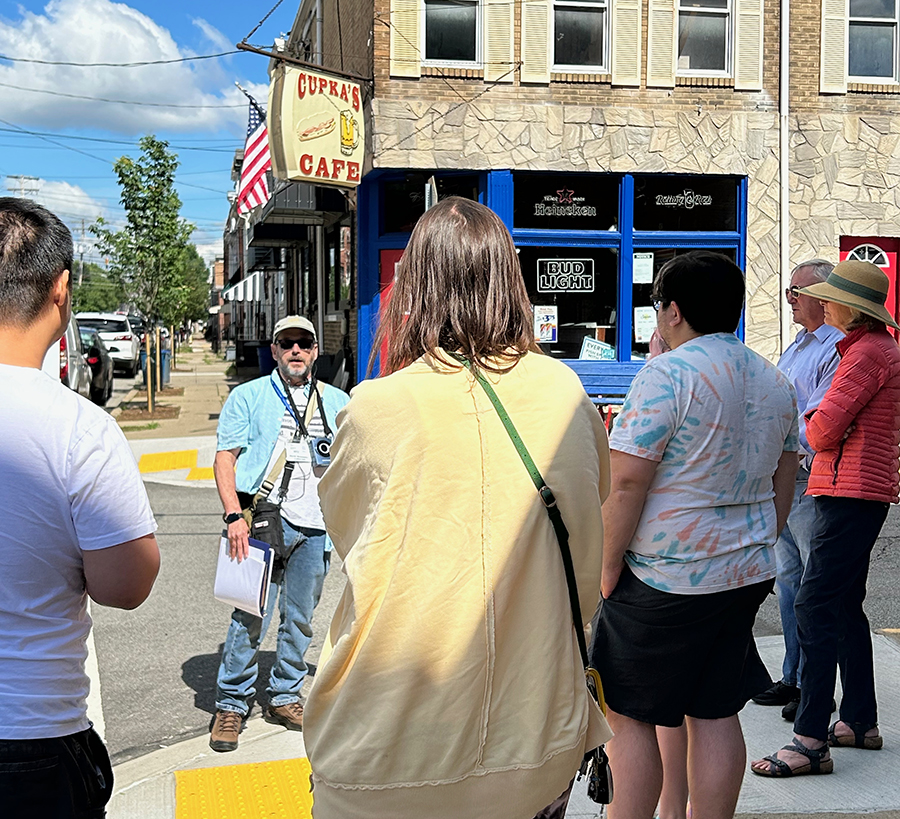
Curious about Northern Kentucky’s rackets history, in 2024 I booked a spot on one of Newport’s popular gangster tours. It didn’t take long for me to fall in love with the region. Less than a year later, we moved from Pittsburgh to Covington, swapping one Ohio River city for another.
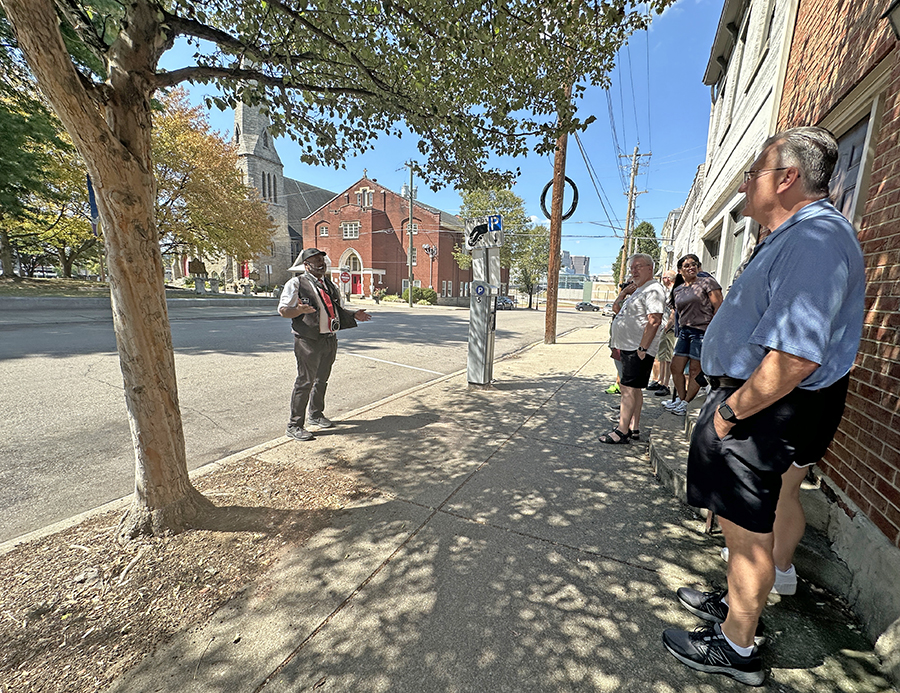
COVertNKY is Steel City Vice rebranded. Follow us on Bluesky, YouTube, and here for new stories about lots of Northern Kentucky and Cincinnati topics, including, of course, organized crime. Sign up for email announcements for Covington walking and bike tours starting in the Spring of 2026 [coming soon].
As you get to know COVertNKY, you can either blame or thank Hank Messick for its arrival.

 COVert NKY