A Family Business
Nineteen thirty-two was a turbulent year in Pittsburgh organized crime history. Prohibition was winding down and the city’s racketeers were positioning themselves in a world where liquor and beer would again be legal. Turf wars in the Steel City were local dramas set within a larger story where such racketeers as Charles “Lucky” Luciano and Meyer Lansky were solidifying their hold over a national organized crime syndicate (frequently dubbed La Cosa Nostra). In 1931, Luciano became the syndicate’s leader following the brutal murders of Joe “The Boss” Masseria and Salvatore “Boss of all Bosses” Maranzano. Giuseppe “Joe” Siragusa, Pittsburgh’s “Yeast Baron,” was brutally killed in his Squirrel Hill home that year. Assassinations and violent warnings were the tools of the trade.
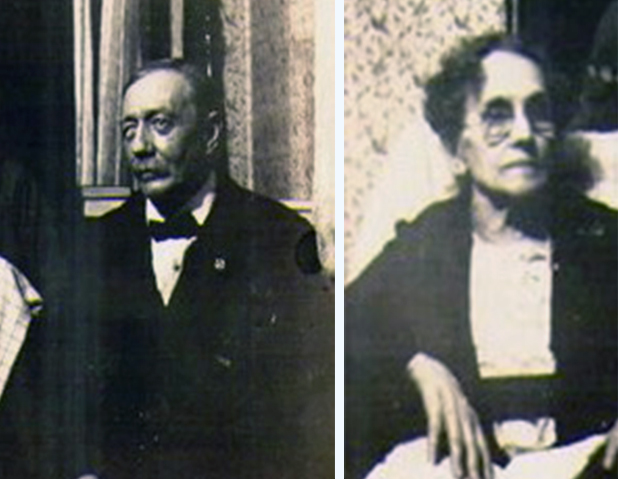
Joe Tito (1890-1949) was a major figure in Pittsburgh’s rackets by the time Luciano formed his commission and national vice network. He was born in Bloomfield and had grown up in Soho, where his father Raphael had bought several properties on Gazzam Hill starting in the mid 1890s. On paper, Raphael worked as a street lamp lighter, but his rapid rise from Bloomfield renter to Soho landlord, suggests some off-the-books enterprises. A number of “Black Hand” bombings and threats involving people living in his properties offers some hints as to what the source of his wealth might have been.
 COVert NKY