Covington has some spectacular historic architecture. There’s lots to choose from for fans of Victorian houses, stylish commercial buildings, and historic cemeteries. Plus, there’s a John A. Roebling suspension bridge spanning the Ohio River. But it’s the city’s alleys that many architectural historians, preservationists, and urban planners find alluring. Once hidden and utilitarian, Covington’s ancient alleys are becoming relevant as new generations of residents and planners discover them.
“They have a certain aesthetic appeal,” said planner Christian Huelsman, founder of Cincinnati’s Spring in Our Steps, about Covington’s alleys. “They’re certainly appealing from a transportation perspective because they provide an alternative that’s away from busy streets.”
Covington is one of many American and Canadian cities where founders designed transportation grids with streets and alleys. They are found in Philadelphia, Pittsburgh, Cincinnati, and Toronto — all 18th century cities with alleys delineated in their original plans.
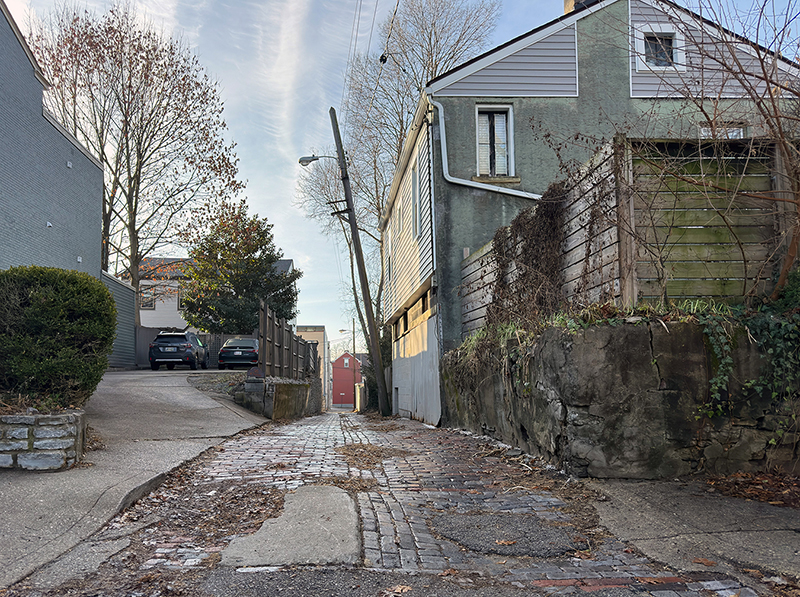
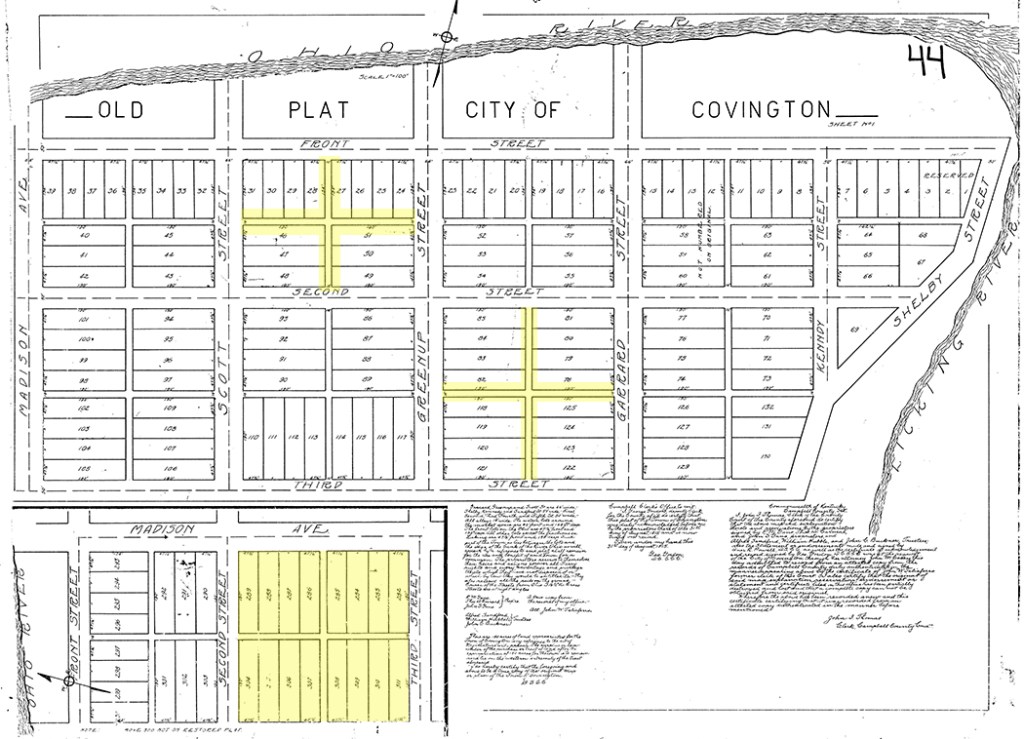
Founded in 1815, Covington’s original plan included streets that were 66- and 50-feet wide and blocks divided by 16-foot alleys. They were the spaces where privies were hidden and where coal and ice were delivered to homes and businesses.
 COVert NKY