Covington’s alleys are historic hidden treasures

Covington has some spectacular historic architecture. There’s lots to choose from for fans of Victorian houses, stylish commercial buildings, and historic cemeteries. Plus, there’s a John A. Roebling suspension bridge spanning the Ohio River. But it’s the city’s alleys that many architectural historians, preservationists, and urban planners find alluring. Once hidden and utilitarian, Covington’s ancient alleys are becoming relevant as new generations of residents and planners discover them.

“They have a certain aesthetic appeal,” said planner Christian Huelsman, founder of Cincinnati’s Spring in Our Steps, about Covington’s alleys. “They’re certainly appealing from a transportation perspective because they provide an alternative that’s away from busy streets.”

Covington is one of many American and Canadian cities where founders designed transportation grids with streets and alleys. They are found in Philadelphia, Pittsburgh, Cincinnati, and Toronto — all 18th century cities with alleys delineated in their original plans.
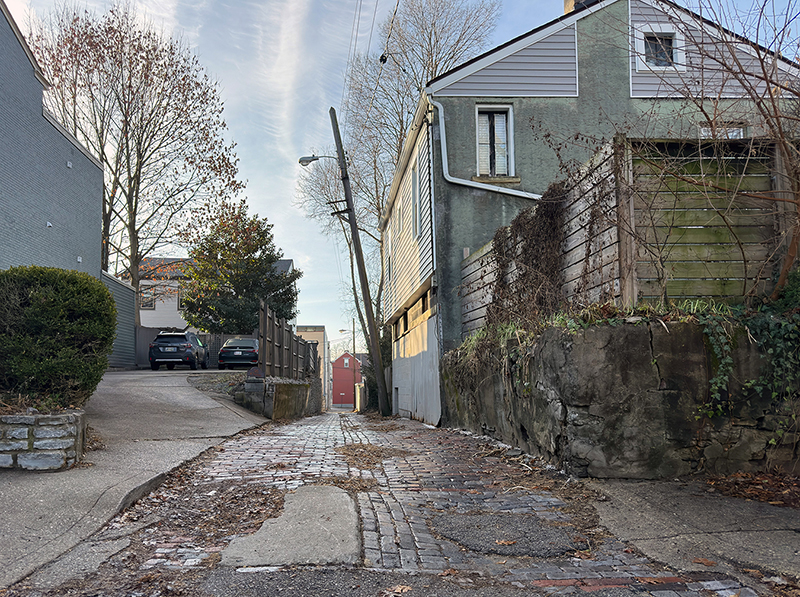
Many Covington alleys still have original brick pavements and drains. Photo by David Rotenstein.

Founded in 1815, Covington’s original plan included streets that were 66- and 50-feet wide and blocks divided by 16-foot alleys. They were the spaces where privies were hidden and where coal and ice were delivered to homes and businesses.
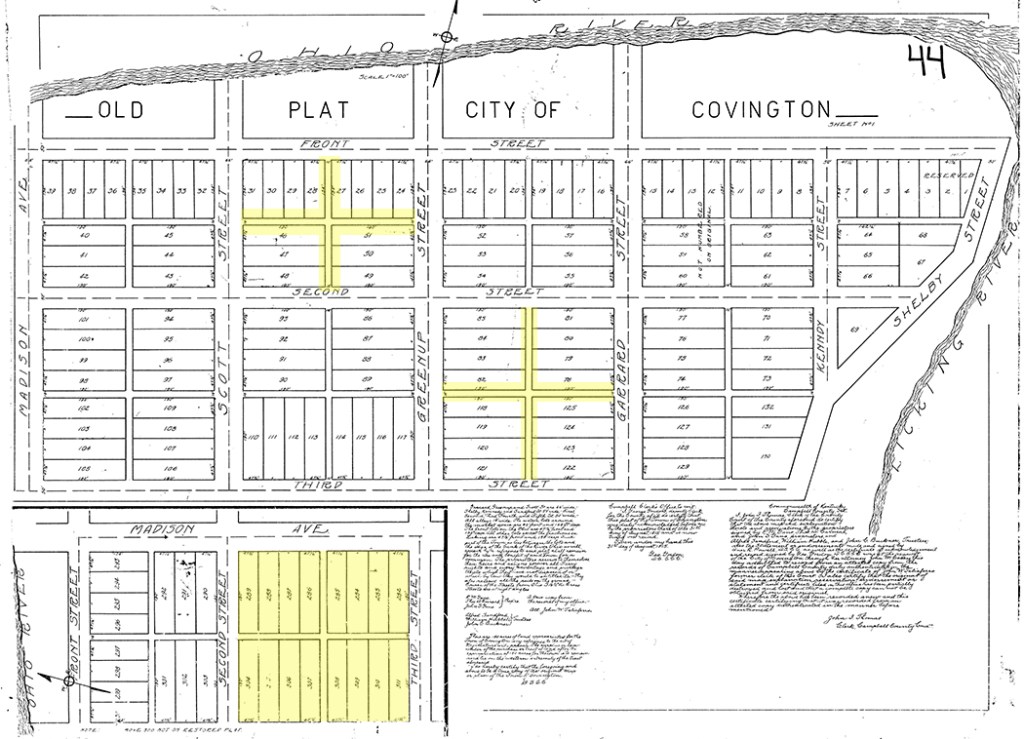
Original 1815 plat of Covington showing street grid and planned alleys (examples highlighted). Kenton County land records.
Continue reading

Industrial history provides the backdrop for a Covington site’s next chapter

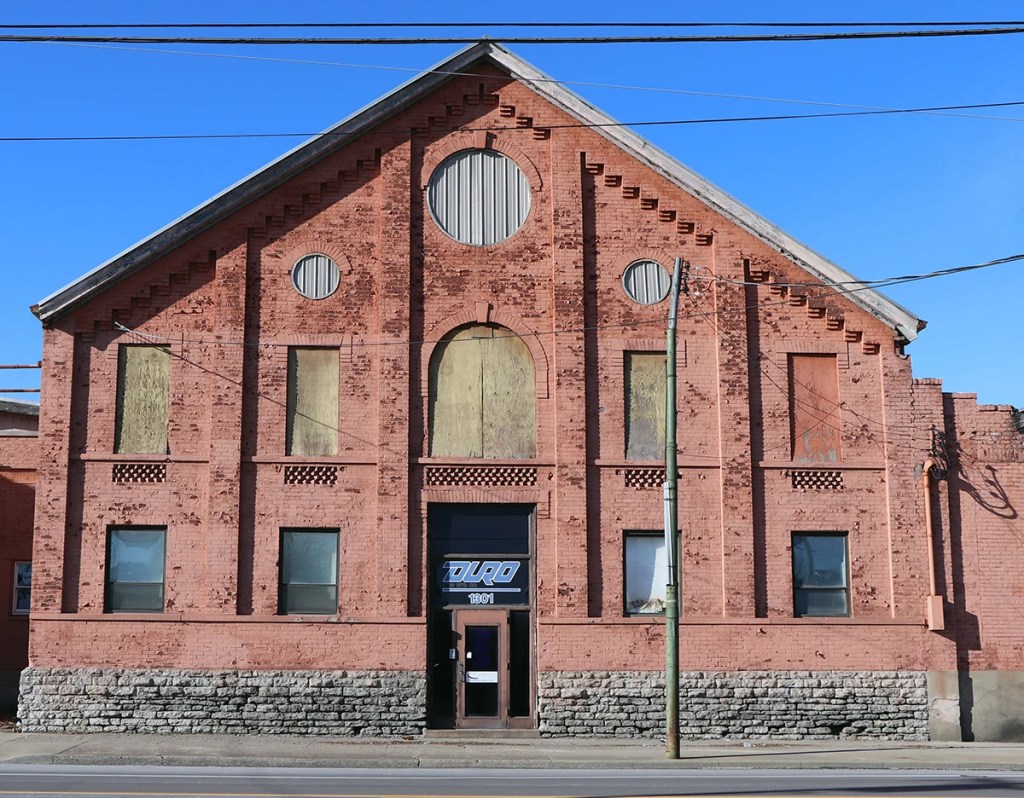
Former Duro bag site, 2026. Photo by David S. Rotenstein.

Earlier this year, the City of Covington, Kentucky, announced that a long-derelict industrial site would be making a comeback. The city, along with the Northern Kentucky Port Authority and Kenton County, announced plans for a former C&O Railroad roundhouse that had been used for more than half a century as a paper bag manufacturing plant. Hidden beneath the industrial patina are more than 150 years of industrial history.

First used in the mid-19th century as a railroad repair facility and offices, the site became a production facility for one of the nation’s biggest shopping bag manufacturers. It also became the setting for prolonged labor disputes before ending up an abandoned relic filled with stories and toxic substances accumulated throughout its history.

The Railroad Years

In the 1850s, Covington became the northern terminus for the Covington and Lexington Railroad. Ninety-nine miles of track connected Lexington to Covington by the time the route was completed in 1854.

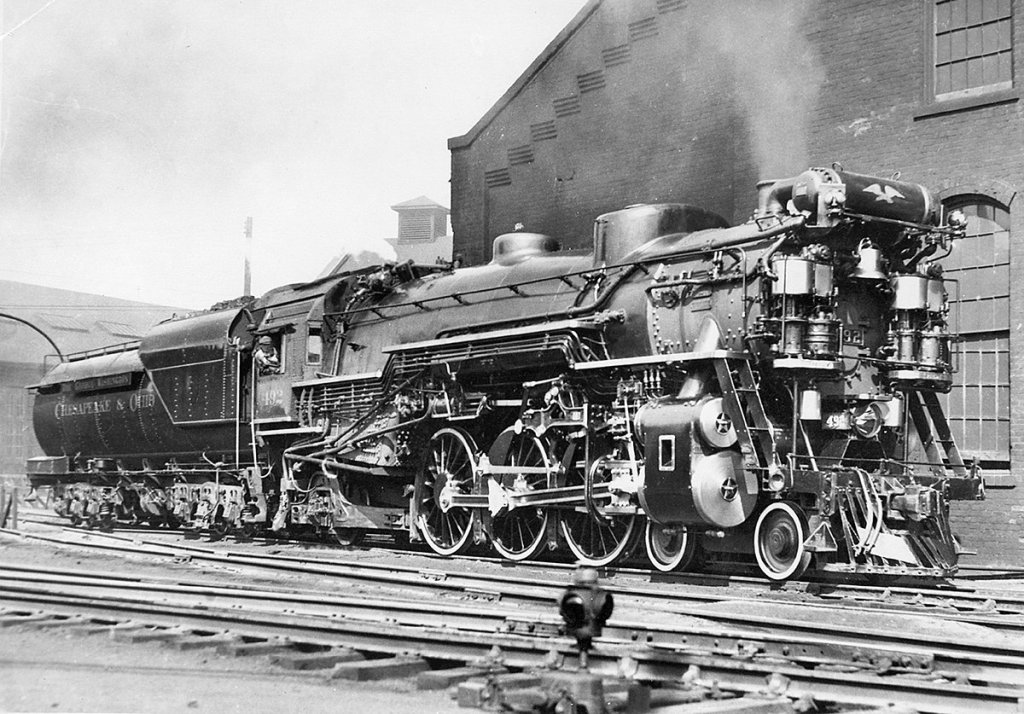
C&O Railroad engine parked on tracks outside of the Covington roundhouse. Photo courtesy of Chesapeake & Ohio Historical Society.

Passengers and freight not remaining in the city crossed the Ohio River into Cincinnati — originally by ferry and after 1867, via John Roebling’s suspension bridge and later railroad bridges.

Continue reading