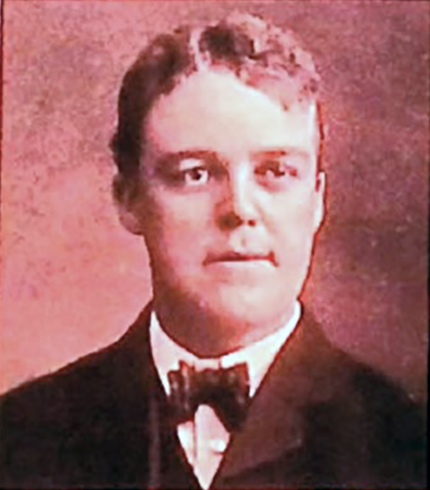
Stevie’s roadhouse was a popular Cincy area destination with an enduring legacy

Roadhouse owner Joe Stevie. Courtesy Bob and Joe Stevie.

Covington, Kentucky, may be one of the few places in the country where an ordinary conversation about a vacant downtown parking lot seamlessly segues into a discussion about bootlegging and gambling. That’s what happened earlier this year when developer Joe Stevie was describing the history of a lot at the corner of Scott and Pike streets.

“My great-great-uncle Joe owned a place called Stevie’s Roadhouse,” Stevie said in a January interview in his Covington office. “It was across the street from the Greyhound Grill in Fort Mitchell.”

Then Stevie’s story got really interesting. “So Joseph Stevie was shot by people coming to rob him. He was shot in his stomach [and] survived,” the contemporary Joe Stevie said.

Northern Kentucky’s Long History of Roadhouses

Stevie’s roadhouse was one of many roadhouses that sprang up around Covington and Newport in the years bracketing the turn of the 20th century. Located along highways leading into the cities, roadhouses began as places where travelers could find lodging, food, intoxicating beverages and maybe some entertainment.

Continue reading
A Hit on Joe Tito?

A Family Business

Nineteen thirty-two was a turbulent year in Pittsburgh organized crime history. Prohibition was winding down and the city’s racketeers were positioning themselves in a world where liquor and beer would again be legal. Turf wars in the Steel City were local dramas set within a larger story where such racketeers as Charles “Lucky” Luciano and Meyer Lansky were solidifying their hold over a national organized crime syndicate (frequently dubbed La Cosa Nostra). In 1931, Luciano became the syndicate’s leader following the brutal murders of Joe “The Boss” Masseria and Salvatore “Boss of all Bosses” Maranzano. Giuseppe “Joe” Siragusa, Pittsburgh’s “Yeast Baron,” was brutally killed in his Squirrel Hill home that year. Assassinations and violent warnings were the tools of the trade.

Joe Tito (1890-1949) was a major figure in Pittsburgh’s rackets by the time Luciano formed his commission and national vice network. He was born in Bloomfield and had grown up in Soho, where his father Raphael had bought several properties on Gazzam Hill starting in the mid 1890s. On paper, Raphael worked as a street lamp lighter, but his rapid rise from Bloomfield renter to Soho landlord, suggests some off-the-books enterprises. A number of “Black Hand” bombings and threats involving people living in his properties offers some hints as to what the source of his wealth might have been.

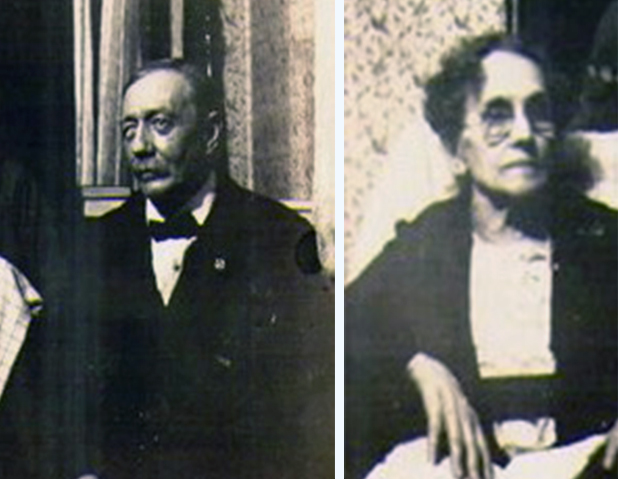
Raphael and Rosa Tito. Photo courtesy of Rona Peckich.
Continue reading