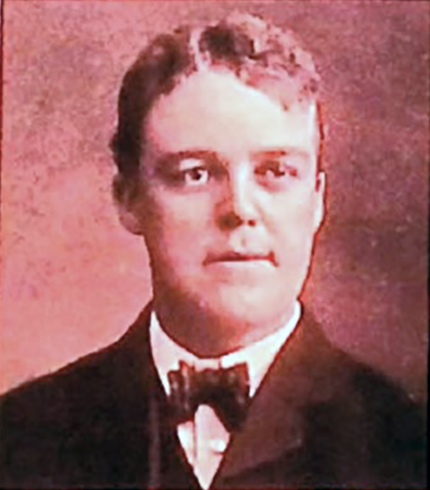
Covington, Kentucky, may be one of the few places in the country where an ordinary conversation about a vacant downtown parking lot seamlessly segues into a discussion about bootlegging and gambling. That’s what happened earlier this year when developer Joe Stevie was describing the history of a lot at the corner of Scott and Pike streets.
“My great-great-uncle Joe owned a place called Stevie’s Roadhouse,” Stevie said in a January interview in his Covington office. “It was across the street from the Greyhound Grill in Fort Mitchell.”
Then Stevie’s story got really interesting. “So Joseph Stevie was shot by people coming to rob him. He was shot in his stomach [and] survived,” the contemporary Joe Stevie said.
Northern Kentucky’s Long History of Roadhouses
Stevie’s roadhouse was one of many roadhouses that sprang up around Covington and Newport in the years bracketing the turn of the 20th century. Located along highways leading into the cities, roadhouses began as places where travelers could find lodging, food, intoxicating beverages and maybe some entertainment.
They had evolved from early taverns and drove yards that catered to livestock drovers and traveling merchants. A 1932 sociological study of vice in Chicago defined roadhouses. “A commercially operated resort located outside the city limits but within auto-driving range of the city. In equipment it may range from a slightly remodeled saloon to a large and attractive farm dwelling,” wrote Paul Cressey in The Taxi-Dance Hall: A Sociological Study in Commercialized Recreation and City Life.

Roadhouses also vexed local government leaders, law enforcement agencies and moral reformers. Early 20th Century newspapers led readers to believe that roadhouses were a scourge. They were places teeming with vice, filled by unescorted women, open beer taps and cases of whisky, bourbon and gambling on table games, horse races and cockfights. Northern Kentucky counties joined their counterparts throughout the nation trying to clamp down on roadhouses.
Roadhouse crackdowns typically began in the aftermath of a deadly accident involving intoxicated roadhouse patrons, gambling raids or community outrages over sexual promiscuity. Northern Kentucky newspapers published in the 1920s carried headlines like “Roadhouse Parties are to Banned” and “Pastor Charges Buck is Passed in Roadhouse War” blared across front pages of the Kentucky Post between 1920 and 1930. A cursory review of death certificates and coroners’ reports shows that a leading cause of death among roadhouse patrons and the general public — other motorists and pedestrians with whom they came into contact — is a “crushed skull.”
Some of the region’s best-known nightclubs began as roadhouses. These include the Beverly Hills Supper Club outside of Newport and the Lookout House, which was just up Dixie Highway from Stevie’s. Accounts of both establishments became part of a national organized crime canon that includes Harlem’s Cotton Club and Pittsburgh’s Crawford Grill.
During Prohibition, which began in 1920, roadhouse operators turned to bootlegging to keep their doors open. After Prohibition ended in 1933, those that survived the dry years and law enforcement raids evolved into nightclubs and restaurants.
That’s the route that Stevie’s took.
Joe Stevie, the roadhouse operator not the 21st century developer, leased a saloon at the intersection of what today is Orphanage Road and Dixie Highway in the city of Fort Mitchell. The Stevie family has a long and significant history in Northern Kentucky. Their businesses included a successful dry goods store in downtown Covington.
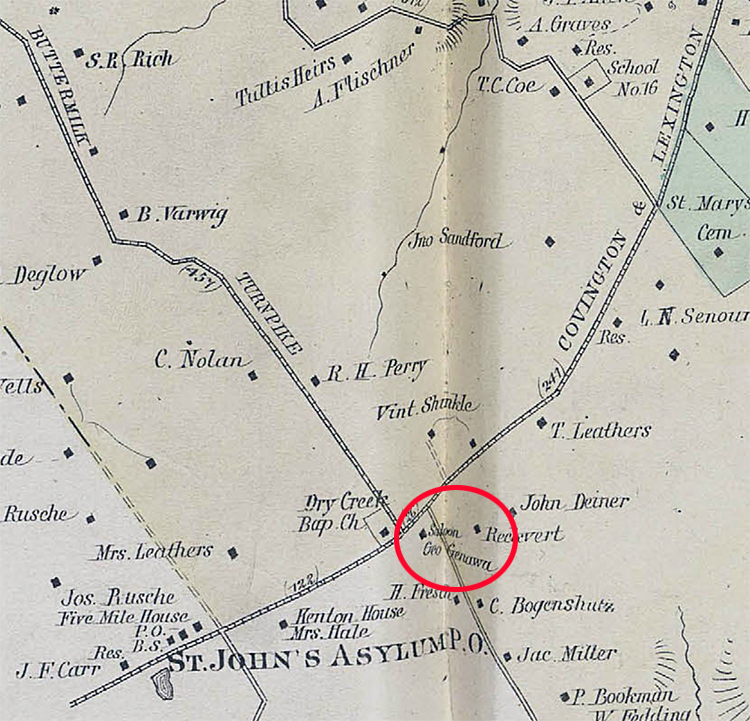
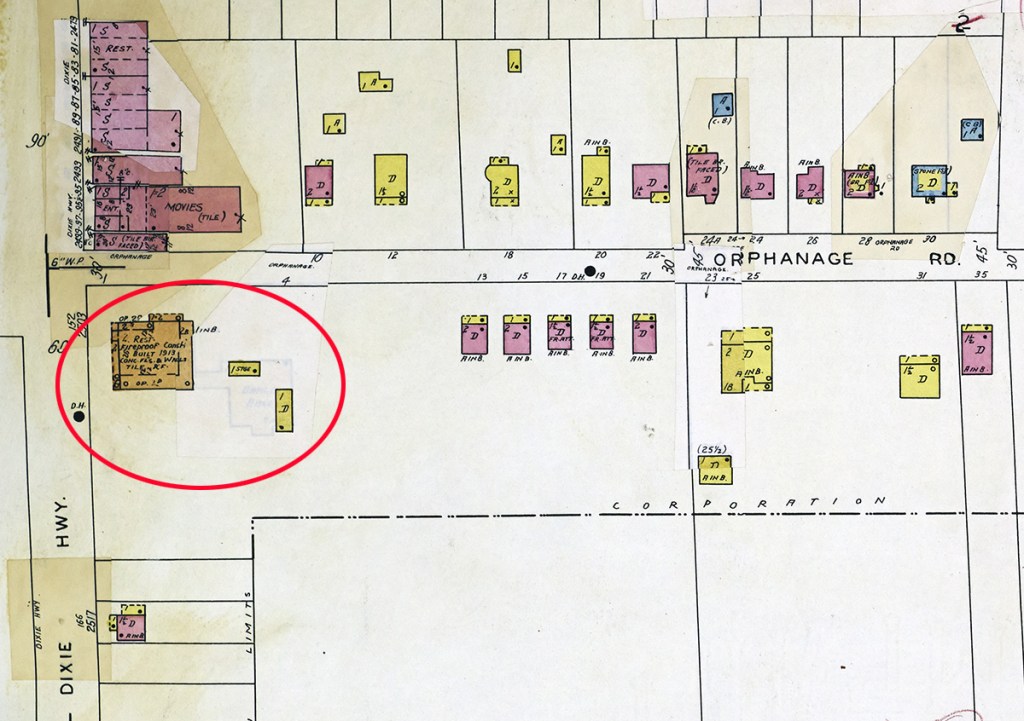
George Genoway, a French immigrant, had opened the saloon at what was then known as the Lexington Pike (now Dixie Highway) and Horse Branch Road (now Orphanage Road) in 1876.
Genoway’s saloon left an ordinary historical trail for a roadhouse. In the 24 years that he operated it, there were robberies and arrests for violating liquor and gambling laws. In 1895, Genoway’s son, George Jr., died in a fight at another saloon nearby.
George Genoway Sr. died in 1900 and his heirs sold the land and business to Covington saloonkeeper Louis Leucht. Luecht sold the property four years later to the Bavarian Brewing Company and he continued to operate a saloon there until at least late 1906, maybe early 1907.
Part of Covington Brewery’s Real Estate Empire
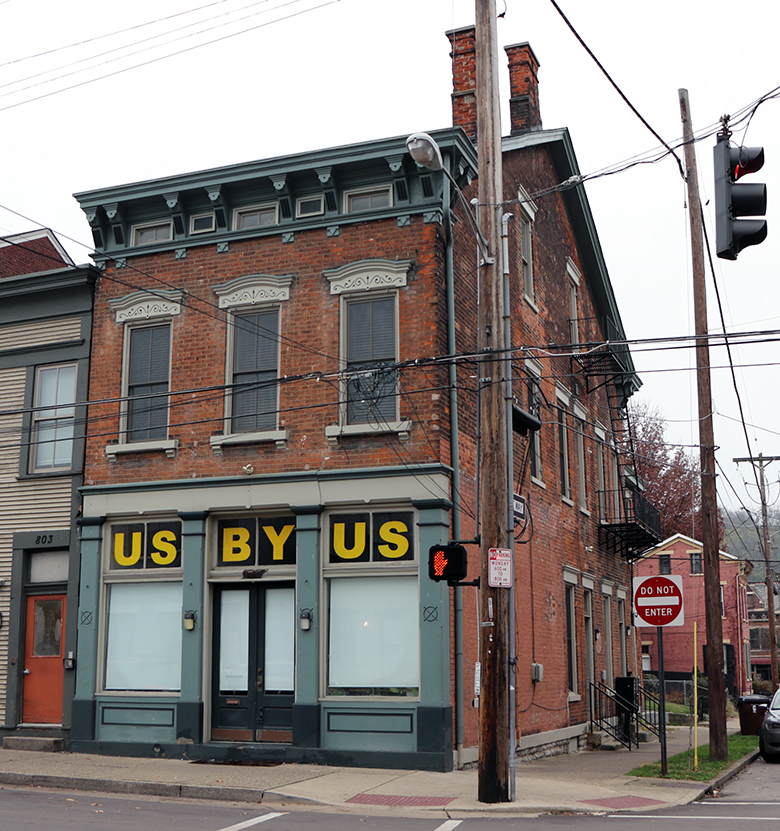
The site was one of more than 60 properties the Covington brewery bought and leased to saloon operators. Most of the brewery’s real estate, which the brewery in the 1910s transferred to its subsidiary, the Riedlin Realty Company — named for brewery founder William Riedlin — ended up being occupied by corner saloons.
The brewery’s strategy was simple and one used by brewers in other cities, like Milwaukee. They made and delivered the beer and they owned the places to drink it and the apartments above the saloons where their consumers, many of them brewery workers, could live.
A messy domestic squabble involving Leucht, his wife Minnie and their parents spilled out into Kenton County courts in 1905. Minnie Leucht sued her husband’s mother, whom she claimed was responsible for driving a wedge in their marriage. Louis Leucht then sued Minnie’s parents. In the complaint, Louis alleged “the peace and happiness of his home were destroyed by his wife’s parents, who poisoned her mind against them,” the Kentucky Post reported in 1905.
As the Leucht family drama played out in multiple court cases and their appeals, Joe Stevie rented the saloon in 1906, which was still owned by the Bavarian Brewing Company. Kenton County court records Stevie received his first tavern license May 7, 1907.
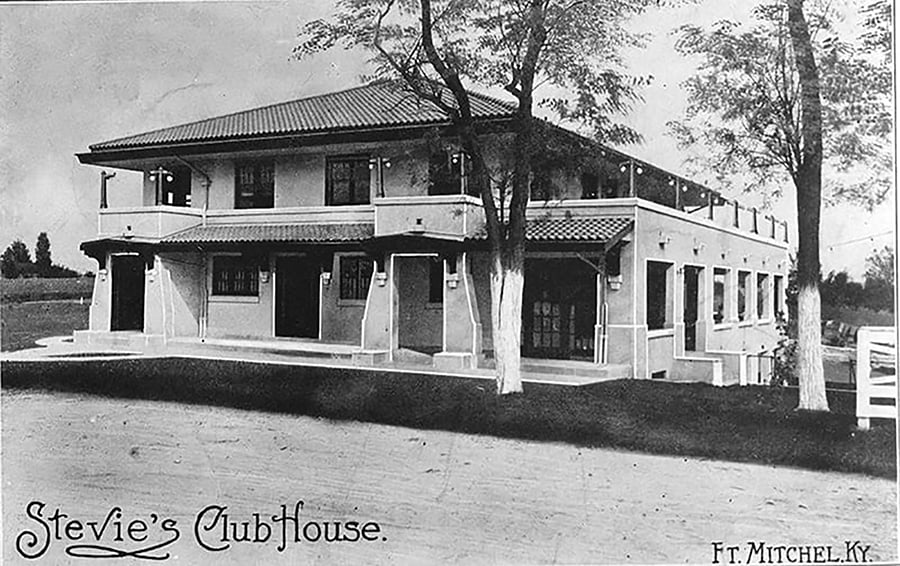
Stevie’s saloon originally did business as the Edelweiss Garden. There, he continued to serve the same patrons — turnpike travelers and locals — that his predecessors had for more than 30 years. Riedlin took advantage of the large nine-acre lot and in 1910 invested in building a stable and garage there. “The new structure will cost about $2000 and is made necessary by the many patrons of this popular Lexington Pike resort, who come to the place in autos and other vehicles,” the Kentucky Post reported.
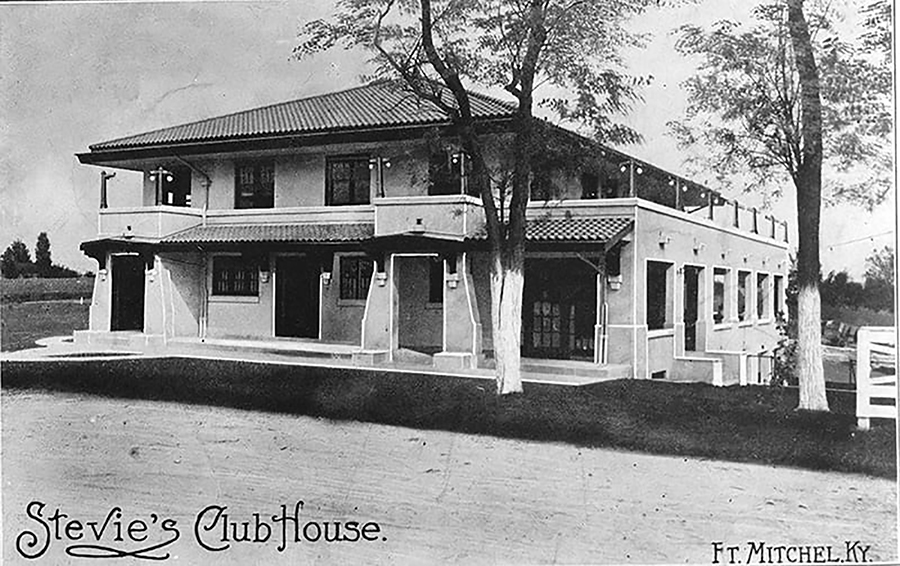
In 1913, a catastrophic fire destroyed the roadhouse. Property owner Reidlin said that it would be quickly rebuilt, better than the earlier building. “Preparations would be made at once of a much larger clubhouse at Edelweis [sic.] Park, better known as Stevie’s Garden, to replace the one burned,” Reidlin told the Kentucky Post.
Drama struck Stevie’s again in 1914 when a robbery gone awry resulted in Stevie being shot in the stomach. The shooting became a key part of Stevie family lore, according to family historian Robert Stevie.
“He got shot and the lead stayed in him until he died,” Robert Stevie said. “He lived longer than any other age-wise than any of his brothers or sisters.”
Joe Stevie, the bar owner (not the contemporary developer) died in 1968.
But let’s not get ahead of ourselves.
Joe Stevie Retires and the Roadhouse Endures Beyond Prohibition
Joe Stevie continued to operate the roadhouse. During the years that he operated the business, he racked up arrests for gambling and for liquor law violations. In 1920, Prohibition went into effect and the manufacture, transportation, and sale of liquor and beer became illegal. The new national law didn’t stop Stevie and his counterparts throughout Northern Kentucky and the nation.
Prohibition agents caught up with Stevie and other Kenton County roadhouse operators in 1923. Additional holdups after the one in 1914 resulting in Stevie’s injury and the costs of evading Prohibition crackdowns likely led to Stevie leaving the hospitality business.
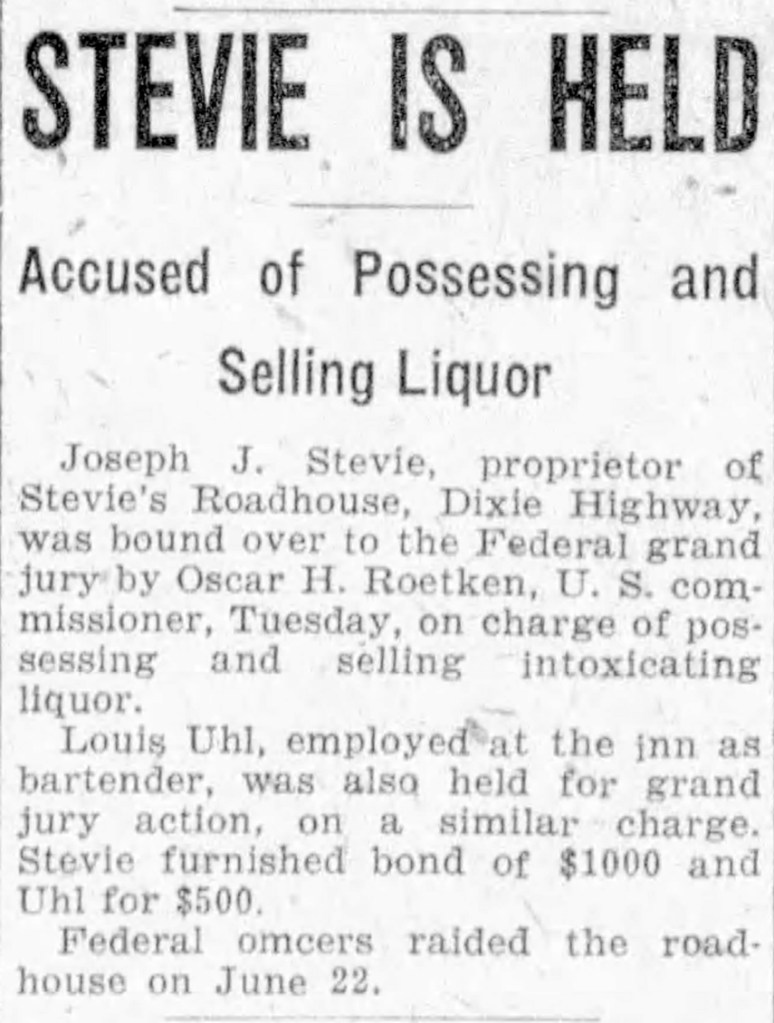
The Riedlin family sold the remainder of its real estate portfolio in 1925. That appears to be the year that Joe Stevie decided to throw in the towel. William “Bill” Hill, who had bought the Lookout House in 1912 took over the roadhouse in April 1925. Two years later, Hill paid almost $36,000 for the property.
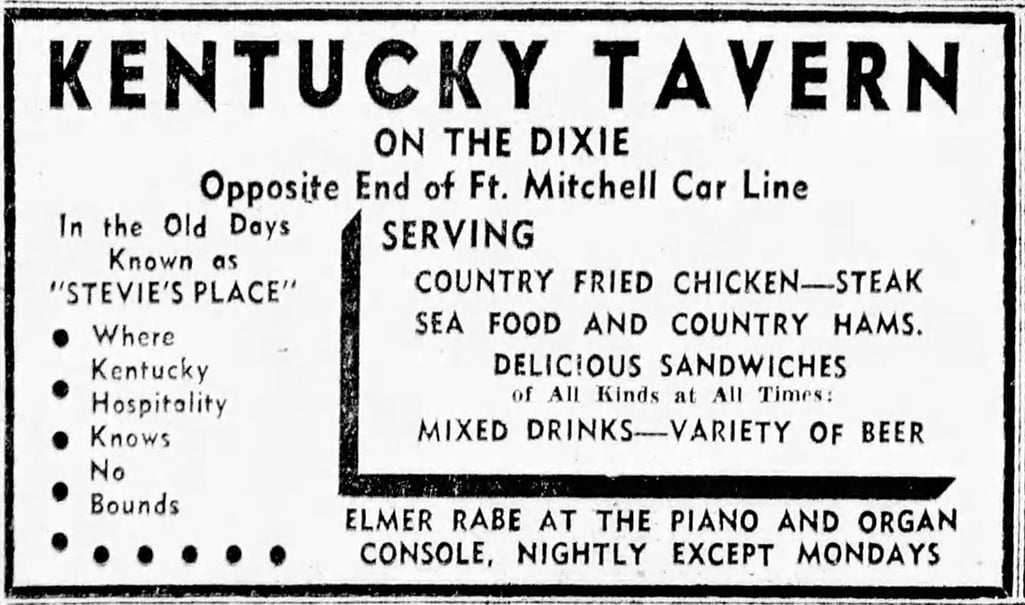
Hill continued to run a roadhouse at the property until 1933 when it was sold to satisfy debts. Under Hill and later owners, the club operated under several different names, including the Mecca Inn, the Zimmer Club House and the Kentucky Tavern.
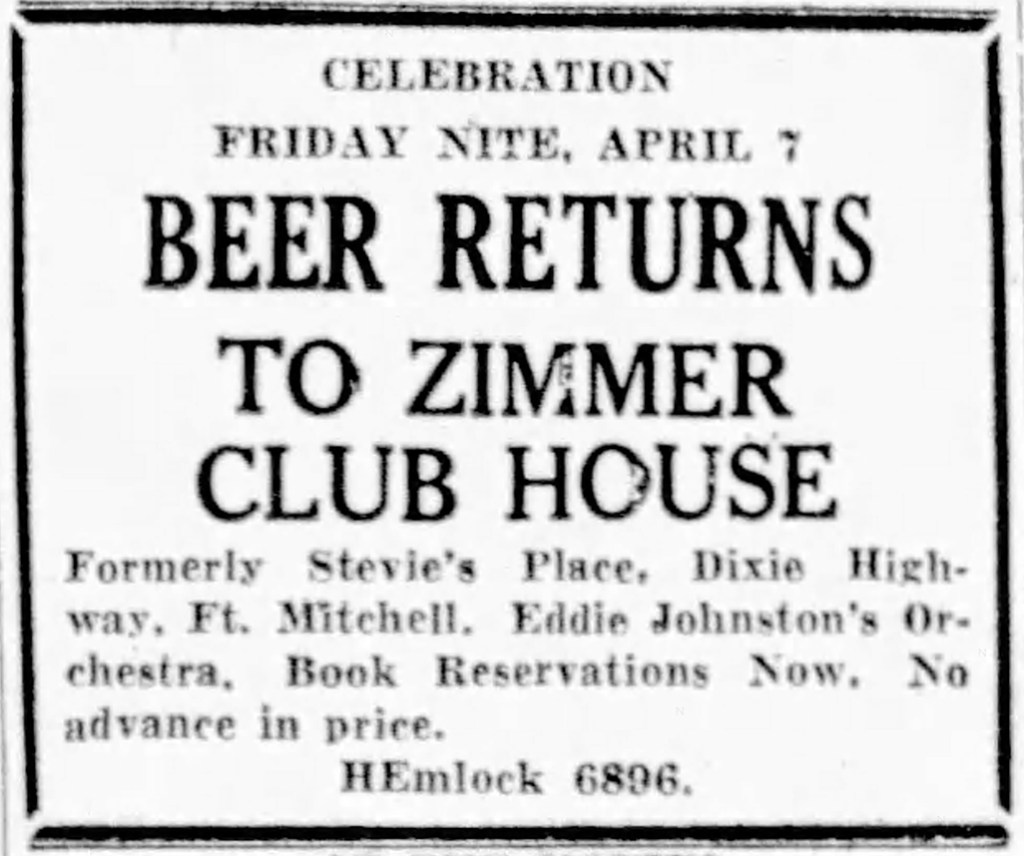
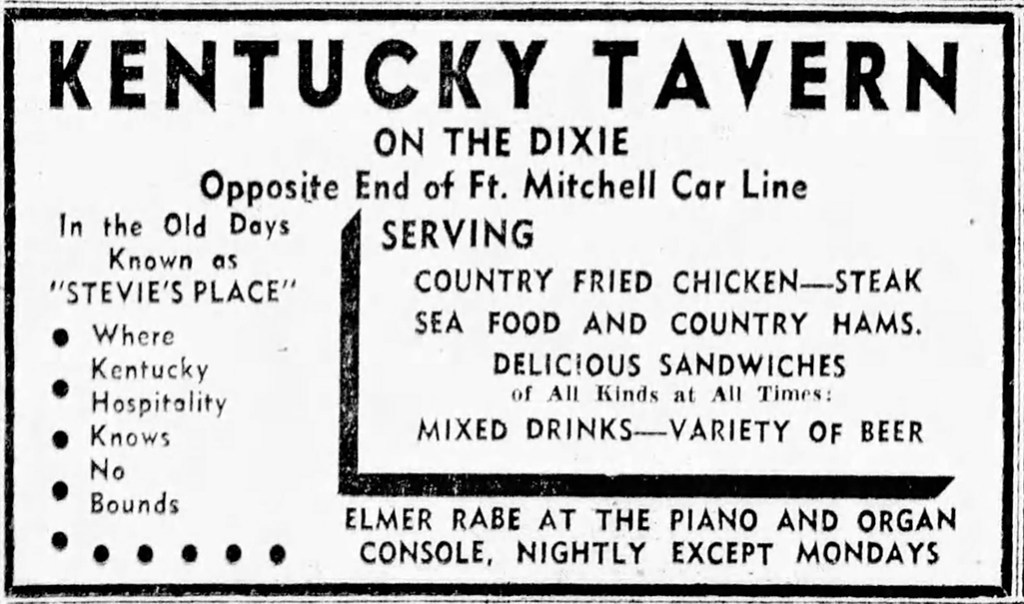
Little changed in the roadhouse operation, except perhaps that the liquor and beer were now legal. The proprietors who leased the building continued to offer live music, dancing and popular menu items, including fried chicken.
“They must’ve had good recipes, good food, good entertainment, and good service,” family historian Bob Stevie said.
Bob Stevie recounted an unconfirmed family legend about the roadhouse across the street. “The Greyhound Grill across the street, they’re still using the chicken recipe that the family had,” he said.
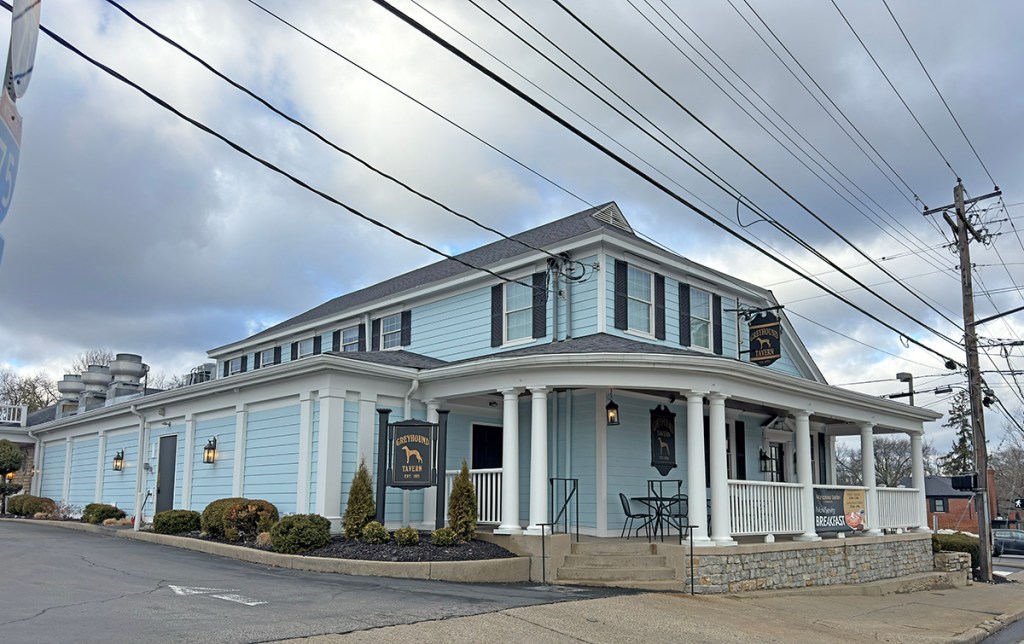
When asked, none of the current Greyhound Tavern staff recalled hearing that story.
The Greyhound Tavern (renamed in later years from the Greyhound Grill) is one of a few surviving Northern Kentucky roadhouses with stories similar to Stevie’s. As for Joe Stevie, whose name has long been associated with the site, he retired after Hill took over in 1925.
Joe Stevie’s wife Anna died in 1934 and he sold their home, which he then rented for the rest of his life. Joe Stevie died in 1968 at age 90.
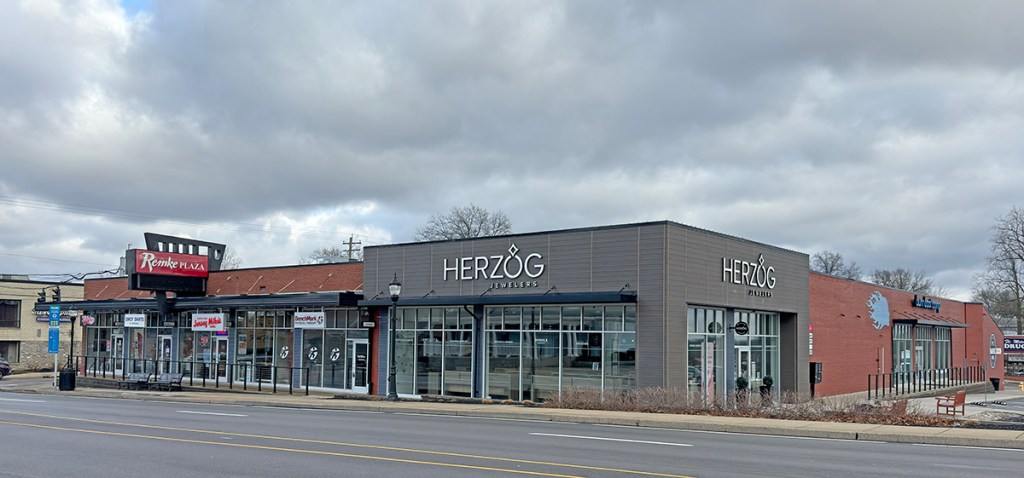
As for the roadhouse, brothers Robert and Louis Remke bought the property in 1955. They demolished the roadhouse and built an addition to their family’s growing grocery empire, Remke’s Markets. The market closed in 2018.
Note: An abbreviated version of this article appeared earlier.
 COVert NKY